
Share Donald Bruce Moser's obituary with others.
Invite friends and family to read the obituary and add memories.
Stay updated
We'll notify you when service details or new memories are added.
You're now following this obituary
We'll email you when there are updates.
Select your format and elements to print

IN LOVING MEMORY OF Donald Bruce Moser
Donald Bruce
Moser
October 19, 1932 — December 8, 2013
Donald Bruce Moser's Obituary
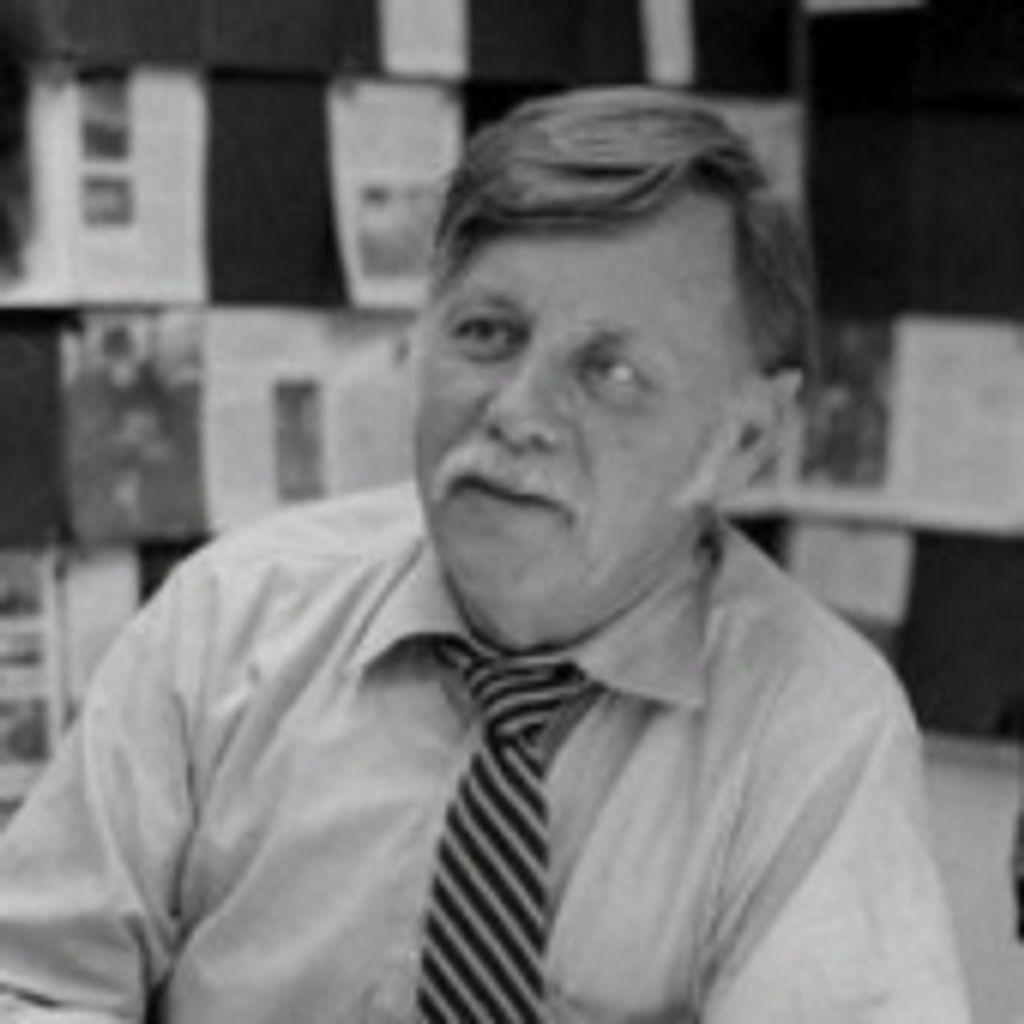
During his 20 years as the top editor of Smithsonian magazine, Don Moser brought millions of readers with him as he followed the whims of his own curiosity. He seldom had an overt presence in the pages of Smithsonian, but his interests, tastes, and quiet guiding hand helped the monthly magazine become one of the country's most popular publications. Mr. Moser, who ran Smithsonian from 1981 to 2001, died Dec. 8 at his home in Sag Harbor, N.Y. He was 81. He had Parkinson's disease, his wife, Penny Moser, said. Smithsonian magazine was launched in 1970 as a coffee-table reflection of the intellectual aspirations of the Smithsonian Institution. Its first editor, Edward Thompson, had been one of Don Moser's mentors at Life magazine. Together, they brought some of the DNA of the fabled weekly picture magazine to Washington and threaded it into the pages of their new publication. Smithsonian soon became renowned for its exceptional photography, but Mr. Moser broadened its scope and made it a canvas for colorful storytelling in both pictures and words. ''At Smithsonian, you get to cover everything from Motown to Mars,'' he said in a 2001 interview with the magazine. ''You have terrific writers and photographers to work with. And you have wonderful readers, who tend to think of themselves as part of the family, which indeed they are.'' He sought out articles that aimed to explain the full reach of human — and often animal — experience. There was only one kind of journalism he would not tolerate: ''He was adamantly opposed to celebrity coverage in any way, shape, or form,'' Kathleen Burke, a senior editor at the magazine, said Tuesday. ''He didn't settle for the expected,'' added Jim Doherty, another longtime Smithsonian editor, ''so that's why we had stories on square dancing, stagehands, truck stops, innovative teachers or professors, wildlife, and science.'' Mr. Moser's eclectic vision found a warm reception among readers, and the magazine's circulation rose to about 2.2 million under his tenure. (It is now 2.1 million.) He assigned stories on everything from solar eclipses to antique watches to impressionist painting, and he instituted a policy that every letter or e-mail should get a personal response. ''Don ran the magazine in the independent tradition of H.L. Mencken at The American Mercury and Harold Ross at The New Yorker: his subjective judgment, and his alone, determined what would run,'' John Wiley Jr. wrote in Smithsonian in 2001, when Mr. Moser retired. ''In choosing what ideas to commission, the aim always was to surprise the readers: present them with a story they had seen nowhere else and were unlikely to see in the future.'' He convened no focus groups or committees to tell him what to publish. To maintain the elusive blend of stories, photographs, and essays in the magazine, he turned down many more submissions than he accepted. When he scrawled the letters ''FMD'' across a manuscript, it had no chance of appearing in print. The letters stood for ''fatal middle distance,'' or a story with weak reporting, poor focus, and a lack of engagement with the subject. 'He was a connoisseur of good writing,'' Doherty said. ''He appreciated something he called 'loft,' or reaching an emotional crescendo.'' Mr. Moser often had to push back against curators at some of the Smithsonian's museums, who thought the magazine should showcase their collections or highlight the work of their scientists. He insisted that the magazine maintain its independence as a distinct journalistic voice and not be public relations mouthpiece for the museums. ''A magazine is a democracy ruled by a dictator,'' he half-jokingly told the alumni magazine of his alma mater, Ohio University, in 2002. ''The editor has the last word.'' Donald Bruce Moser was born in Cleveland.
Donald Bruce Moser's Guestbook
This site is protected by reCAPTCHA and the
Google Privacy Policy and Terms of Service apply.
Service map data © OpenStreetMap contributors